Amazonian Mushroom Origins and Scientific History
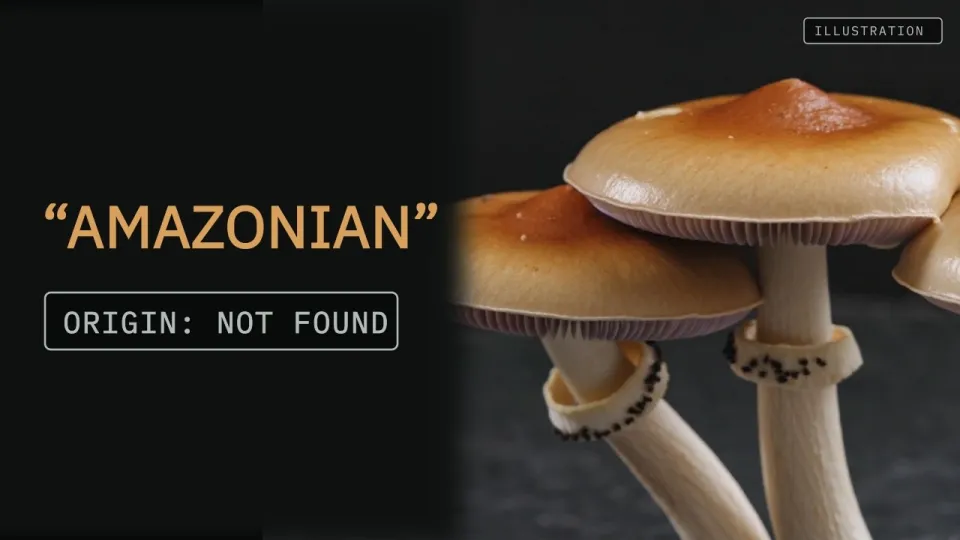
Video: Amazonian Mushroom: Following the Paper Trail Behind the Name
· based on the channel Shroomverse
The Amazonian mushroom is a fungal species native to the Amazon rainforest, known for its unique biological and ecological characteristics. Its name and scientific classification have evolved over time due to complex historical documentation and taxonomic studies. Understanding the paper trail behind the Amazonian mushroom helps clarify its identity and place in mycology.
Historical Discovery of the Amazonian Mushroom
The Amazonian mushroom was initially identified through botanical expeditions in the early 20th century. Early researchers documented specimens from various regions within the Amazon basin, describing morphological traits that distinguished it from other fungi. These early papers laid the groundwork for subsequent taxonomic classification but also introduced confusion due to inconsistent naming conventions 02:15.
Taxonomic Classification and Naming Challenges
The scientific naming of the Amazonian mushroom has been complicated by multiple factors. Different researchers assigned various Latin names based on localized findings, leading to synonyms and misattributions. The paper trail reveals that some names were later invalidated or merged after genetic studies clarified species boundaries. This complex nomenclature history is a common issue in mycology, particularly for species with wide geographic distribution 05:40.
Ecological and Cultural Significance
The Amazonian mushroom holds ecological importance within its habitat, playing a role in nutrient cycling and symbiotic relationships with plants. Indigenous communities in the Amazon have historically recognized this mushroom, sometimes incorporating it into cultural practices. Scientific research has increasingly focused on understanding these ecological roles and ethnomycological aspects, enriching knowledge about the species beyond taxonomy 08:20.
Modern Scientific Research and Genetic Insights
Advancements in molecular biology have allowed researchers to revisit the Amazonian mushroom's classification. DNA sequencing has helped resolve ambiguities caused by morphological similarities with other species. Genetic data support the consolidation of species names and provide insights into evolutionary relationships within the genus. This modern approach bridges the gap between historical literature and contemporary taxonomy 11:55.
Importance of Accurate Documentation in Mycology
The Amazonian mushroom case highlights the importance of thorough scientific documentation and review. Accurate taxonomy ensures clarity in research, conservation, and potential applications. The Shroomverse channel's detailed examination of the paper trail behind the name illustrates how historical scientific papers remain vital resources for current studies 14:30.
Conclusion
The Amazonian mushroom's scientific journey reflects broader challenges in fungal taxonomy, including historical naming conventions and modern genetic techniques. Tracing the paper trail behind its name clarifies its classification and enhances understanding of its ecological and cultural significance. This comprehensive analysis, as presented by Shroomverse, underscores the value of integrating historical literature and contemporary science in mycology.
Key takeaways
- Amazonian mushroom first documented in scientific papers from early 20th century
- Scientific naming often confused due to historical paper trail
- Shroomverse video traces taxonomy and nomenclature origins
- Paper trail includes multiple misattributions and synonyms
- Amazonian mushroom linked to specific ecological and cultural regions
Source: Amazonian Mushroom: Following the Paper Trail Behind the Name · Markdown version
Questions & answers
What is the origin of the Amazonian mushroom's scientific name?
The scientific name originates from early 20th-century botanical expeditions in the Amazon, but multiple names and synonyms arose due to inconsistent documentation and taxonomy.
Why has the Amazonian mushroom's classification been confusing?
Confusion stems from different researchers assigning varying names based on morphology before genetic studies clarified species boundaries, leading to synonyms and misattributions.
How does the Amazonian mushroom impact its ecosystem?
It plays a key role in nutrient cycling and forms symbiotic relationships with plants, contributing to the ecological balance of the Amazon rainforest.
What role does modern genetics play in studying the Amazonian mushroom?
DNA sequencing helps resolve taxonomic ambiguities by providing evidence to consolidate species names and understand evolutionary relationships within its genus.